
AI in Education – Personalizing Learning Experiences
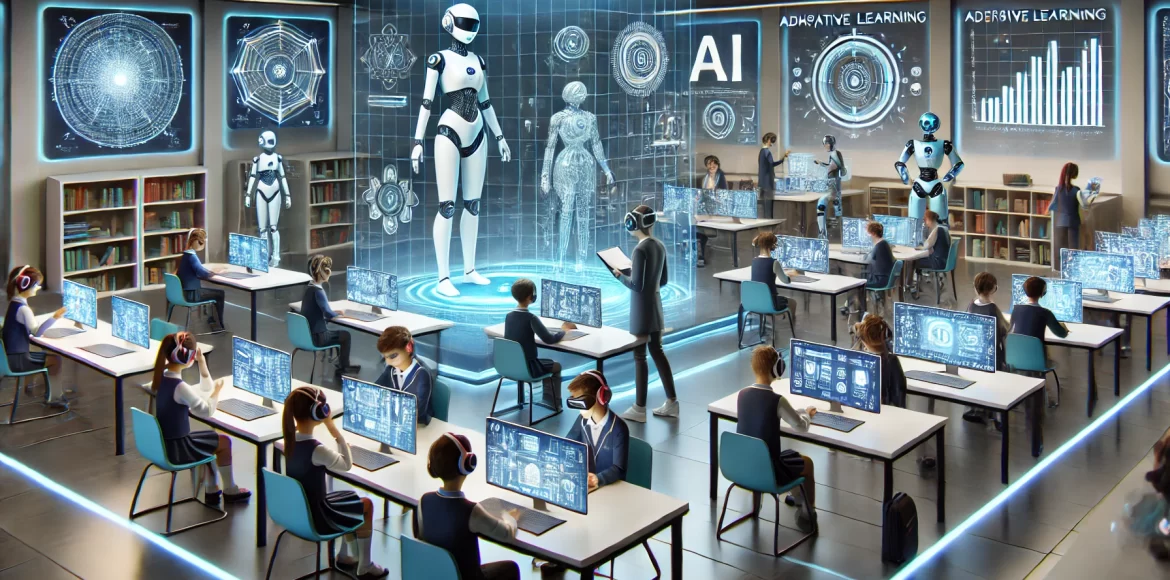
Artificial Intelligence (AI) is revolutionizing various sectors, and the AI in education sector is no exception. The integration of AI in education is transforming traditional teaching methods, paving the way for personalized learning experiences tailored to individual student needs. With AI-driven tools, educators can provide customized instruction, adapt learning materials, and enhance student engagement, ensuring a more effective and inclusive educational environment.
The Role of AI in Personalized Learning
AI-driven personalized learning refers to the use of machine learning algorithms and data analytics to customize educational content based on students’ abilities, preferences, and progress. Unlike traditional one-size-fits-all teaching methods, AI enables adaptive learning, where digital platforms assess a student’s strengths and weaknesses, adjusting the curriculum accordingly. This ensures that learners receive instruction at their own pace, promoting a deeper understanding of the subject matter.
One of the key components of AI in education is intelligent tutoring systems (ITS). These systems provide real-time feedback, guiding students through lessons while offering additional resources for challenging topics. ITS tools, such as Carnegie Learning and Knewton, analyze student responses and tailor lessons to improve comprehension. This individualized attention enhances retention and motivation, particularly for students who may struggle in conventional classroom settings.
Enhancing Student Engagement and Motivation
AI-powered educational platforms foster engagement by incorporating gamification, interactive simulations, and multimedia resources. Virtual tutors and AI chatbots, like IBM Watson Tutor and Google’s Socratic, assist students by answering queries, explaining concepts, and providing instant feedback. Such features make learning more interactive and enjoyable, keeping students motivated throughout their academic journey.
Furthermore, AI in the education field helps educators identify at-risk students by analyzing behavioral patterns and academic performance. Predictive analytics enable early intervention, allowing teachers to provide additional support and prevent potential dropouts. With AI-driven insights, educators can create targeted strategies to boost student confidence and performance, ensuring no learner is left behind.
Breaking Barriers in Education
AI-powered tools play a crucial role in breaking barriers to education, making learning more accessible and inclusive. For students with disabilities, AI-driven assistive technologies, such as speech-to-text applications and real-time translation services, facilitate seamless communication and comprehension. Platforms like Microsoft’s Immersive Reader and Google’s Live Caption enhance accessibility, ensuring that all students can participate in learning activities regardless of their challenges.
Additionally, AI-powered language learning apps, such as Duolingo and Rosetta Stone, provide personalized instruction based on the learner’s proficiency level. These apps utilize AI algorithms to track progress, suggest improvements, and offer customized exercises, making language acquisition more effective and engaging.
Challenges and Considerations
Despite the numerous benefits, the integration of AI in education also poses challenges. Data privacy and security concerns arise as AI platforms collect and analyze vast amounts of student data. Ensuring compliance with data protection regulations, such as the General Data Protection Regulation (GDPR) and the Family Educational Rights and Privacy Act (FERPA), is essential to maintaining student confidentiality and trust.
Moreover, while AI enhances learning experiences, it should complement, not replace, human educators. Teachers play a vital role in fostering critical thinking, emotional intelligence, and social skills—areas that AI cannot fully replicate. The ideal approach is a hybrid model where AI supports educators in delivering personalized learning while maintaining the human touch in teaching.
The Future of AI in Education
As AI technology continues to evolve, its impact on the AI in education sector will only expand. Future advancements may include AI-driven virtual classrooms, holographic tutors, and immersive learning environments using augmented reality (AR) and virtual reality (VR). These innovations will further personalize learning, making education more engaging, efficient, and accessible to students worldwide.
How to Use AI in Education
Understanding how to use AI in education effectively is crucial for maximizing its benefits. Educators and institutions should leverage AI-powered tools to create adaptive learning environments, integrate intelligent tutoring systems, and utilize predictive analytics for student success. By doing so, they can enhance learning outcomes and ensure that AI complements traditional teaching methodologies.
In conclusion, AI in education is revolutionizing the way students learn by personalizing learning experiences, enhancing engagement, and breaking barriers to accessibility. While challenges exist, the potential benefits far outweigh the drawbacks. By leveraging AI responsibly, educators and policymakers can create a more inclusive and effective educational system, ensuring that every student receives the personalized support they need to succeed.