

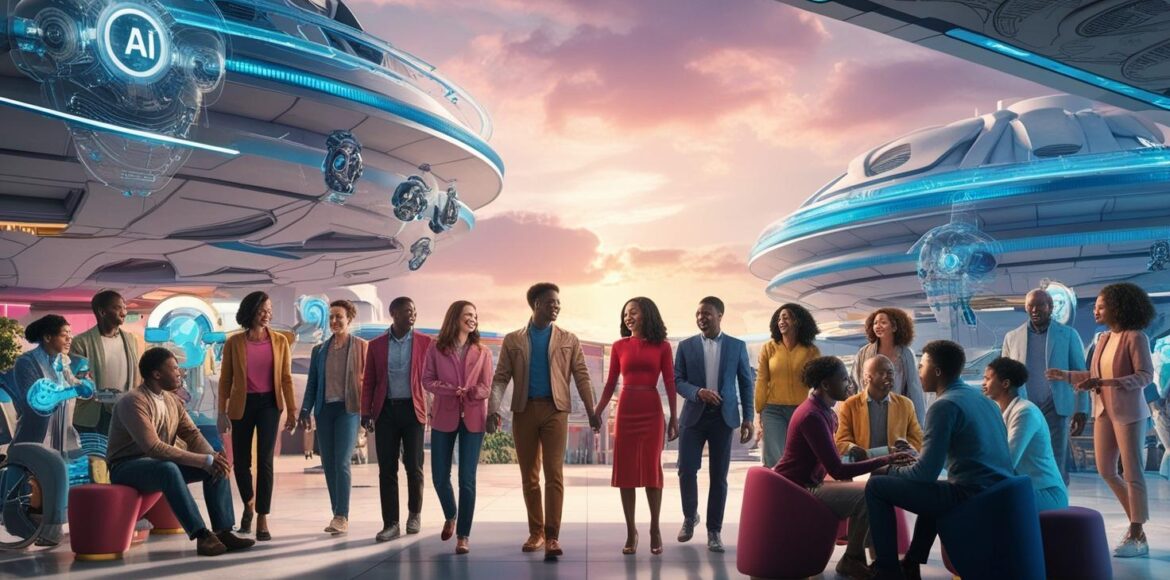
The Future Transformed: How Artificial Intelligence Will Redefine Our World
Artificial intelligence (AI) is no longer confined to the pages of science fiction. It has quietly, and sometimes dramatically, integrated into our daily lives, driving change in ways both expected and surprising. From voice assistants like Alexa guiding us through morning routines to AI-powered algorithms shaping our online experiences, the influence of AI is undeniable. But what lies ahead? How will AI shape our future in the next decade and beyond? Let’s explore this transformative journey and how it may impact individuals, industries, and society at large.
Reimagining the Workplace
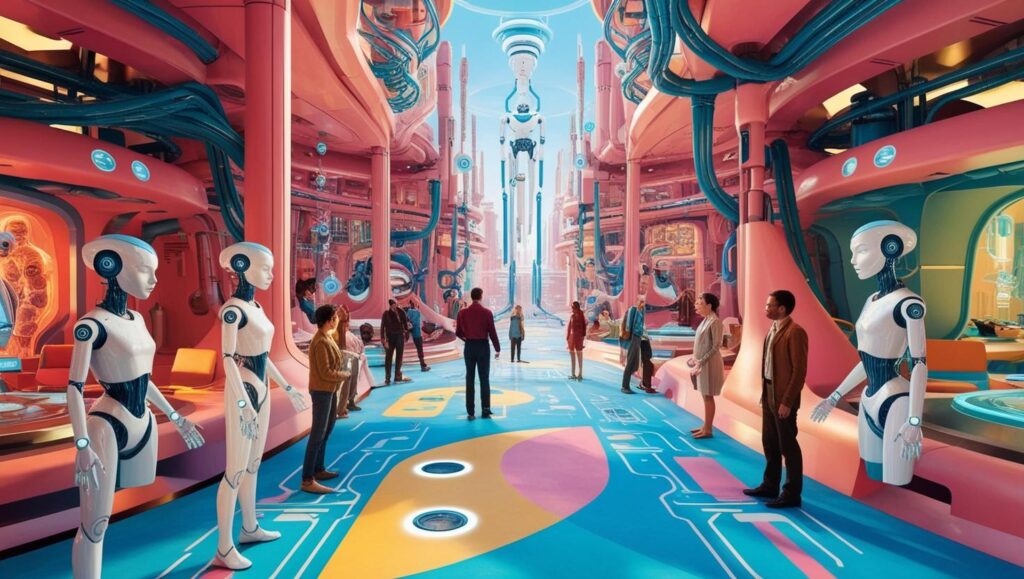
The workplace of the future will look vastly different from today. AI is already automating repetitive tasks, freeing up human workers to focus on creativity, strategy, and innovation. Take the healthcare industry, for instance. AI-powered diagnostic tools like IBM’s Watson are enhancing doctors’ abilities to identify diseases with unprecedented accuracy, often in early stages when treatment is most effective. For patients, this means faster diagnoses and better outcomes.
Yet, this evolution raises critical questions: Will AI lead to widespread job displacement? How do we prepare for a future where machines perform much of the work? Experts suggest that while AI will automate certain jobs, it will also create new roles, many of which we can’t yet imagine. Upskilling and lifelong learning will be key. For example, courses in data science, machine learning, and robotics are increasingly popular, offering workers a pathway to stay relevant in an AI-driven economy.
A Revolution in Education
Imagine a classroom tailored to every student’s unique needs. AI can make this a reality through adaptive learning platforms that analyze a student’s strengths and weaknesses, delivering personalized content to optimize their learning journey. For instance, platforms like Duolingo leverage AI to tailor language lessons, ensuring users master concepts at their own pace.
However, as we embrace these technologies, we must consider the human element. Can an AI tutor replace the empathy and mentorship of a teacher? The answer likely lies in balance. AI can handle the mechanics of instruction, while educators focus on fostering creativity, critical thinking, and emotional intelligence—skills no algorithm can replicate.
Healthcare Beyond Imagination
In the realm of healthcare, AI promises to revolutionize diagnostics, treatment, and patient care. Consider how AI is enabling predictive analytics: algorithms can analyze patient data to forecast potential health issues before they manifest. This proactive approach could lead to significant reductions in chronic diseases and emergency care.
On the other hand, ethical concerns loom large. Who is accountable if an AI makes a wrong diagnosis? How do we ensure that AI systems remain unbiased and accessible to all? Policymakers, tech companies, and healthcare professionals must collaborate to address these challenges, ensuring that the benefits of AI are equitably distributed.
Everyday Life in an AI-Enhanced World
Beyond industry, AI is set to transform the fabric of everyday life. Autonomous vehicles, for instance, could drastically reduce traffic accidents caused by human error, making roads safer for everyone. Imagine a world where your car not only drives you to work but also schedules its own maintenance and optimizes your route to save fuel.
In our homes, AI-powered devices are becoming increasingly sophisticated. Smart refrigerators can suggest recipes based on available ingredients, while home security systems leverage facial recognition to enhance safety. These innovations promise convenience and efficiency, but they also raise questions about privacy and data security. How much personal information are we willing to share in exchange for convenience? Striking the right balance will be essential as we navigate this new landscape.
Challenges and Opportunities
As with any transformative technology, AI presents both opportunities and challenges. Ethical concerns such as bias in algorithms, loss of privacy, and the potential for misuse cannot be ignored. Addressing these issues requires robust governance, transparency, and a commitment to ethical AI development.
At the same time, AI offers unprecedented opportunities to tackle global challenges. From combating climate change through AI-driven energy management systems to improving food security with precision agriculture, the potential is limitless. Collaboration across sectors will be vital to harnessing these capabilities for the greater good.
Conclusion: Shaping a Shared Future
The future with AI is not something that will simply happen to us—it is something we will shape through our choices, policies, and innovations. By embracing AI’s potential while addressing its challenges head-on, we can create a world where technology serves humanity, not the other way around.
As you navigate this rapidly changing landscape, consider this: How will you prepare for an AI-driven future? Whether it’s through upskilling, embracing new tools, or advocating for ethical standards, each of us has a role to play. The age of AI is here, and its story is still being written—by us.